Did the China Trade Deal Work? The Reality of Ecuador’s Market Two Years In
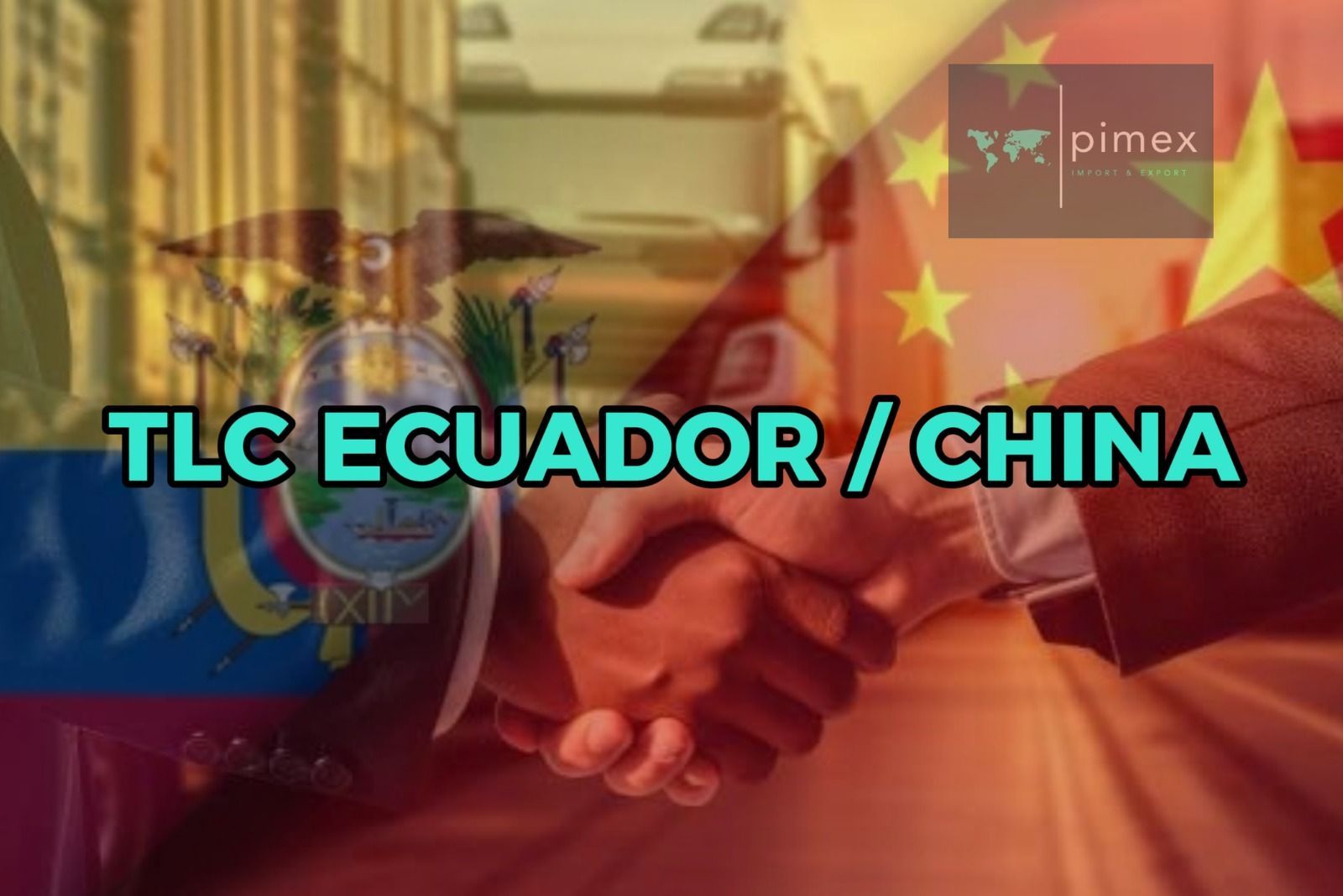
Two years after its official entry into force, the Free Trade Agreement between China and Ecuador has fundamentally reshaped the regional commercial landscape. The most visible manifestation of this historic treaty is undoubtedly the massive influx of Chinese vehicles dominating Ecuadorian roads, a direct result of aggressive tariff reductions that disrupted the traditional automotive market. However, beyond the consumer retail boom, the true impact of the agreement lies in the structural modernization of local logistics, forcing operations to evolve rapidly to handle the increased volume of inbound freight.
On the operational front, the FTA has acted as a double-edged sword, serving as a powerful catalyst for efficiency while exposing critical infrastructural bottlenecks. Customs clearance procedures and aduanas frameworks have been pushed toward unprecedented agility to maintain the pace of trade velocity, significantly reducing transit times for key industrial imports. Yet, this sudden surge in trade volume has forced Ecuadorian logistics providers and terminal operators to drastically optimize their supply chains to prevent costly port congestion and gridlocks.
For businesses operating within this ecosystem, navigating this transformed market requires a shift from survival to strategic optimization. While the treaty has unlocked massive opportunities for reduced-tariff manufacturing components and raw materials, it has also heightened competitive pressures across multiple local sectors. Ultimately, the winners of the China-Ecuador FTA era will not just be those who import or export more, but the organizations that leverage this newfound operational agility to build highly resilient, cost-effective global supply chains.